01
Collect requests
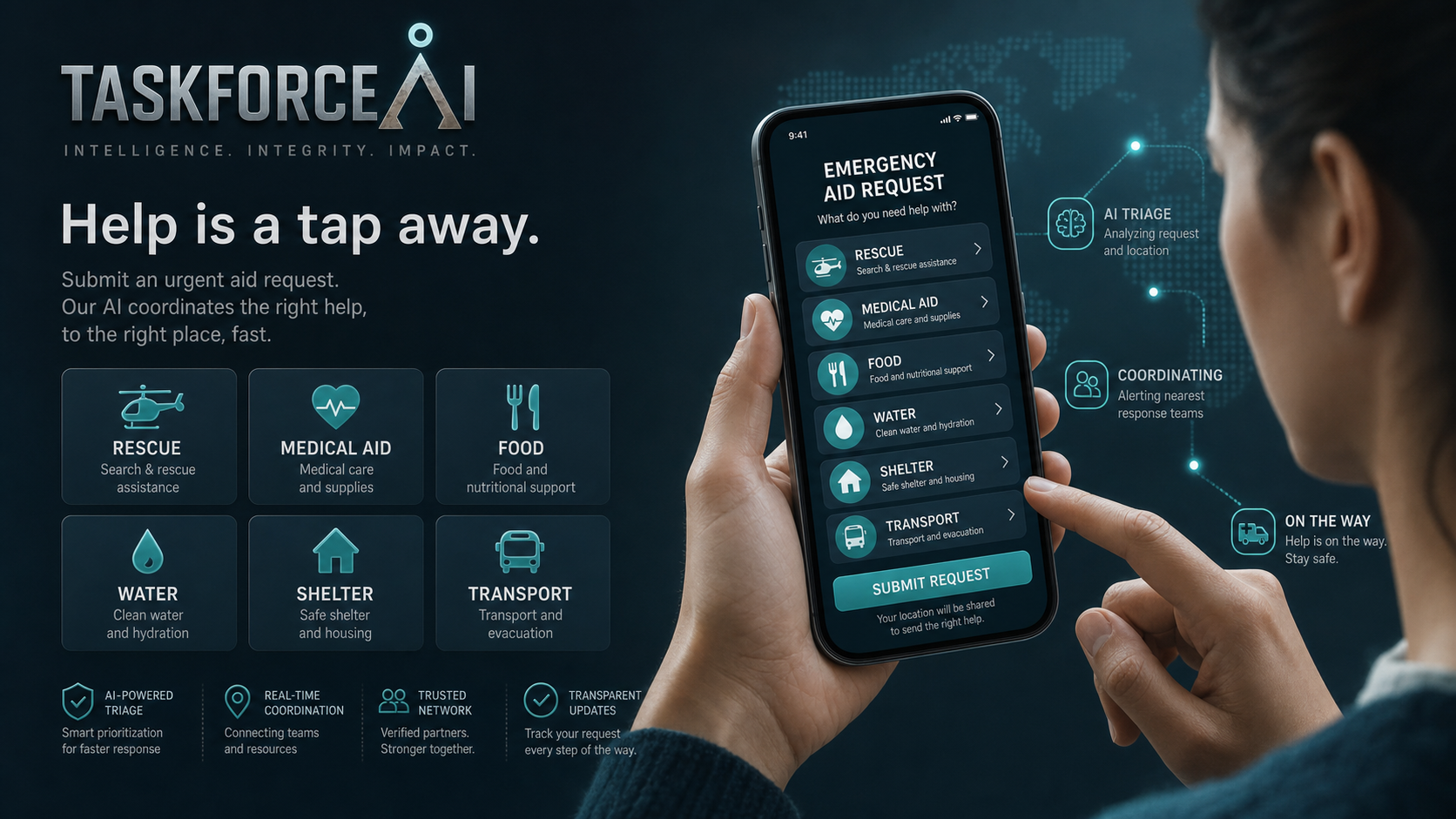
People affected by the earthquake can submit requests for rescue, aid, supplies, medical needs, food, water, shelter, and transportation.
As the General Santos earthquake response continues, people need help faster than the normal phone system can handle. Taskforce AI made an emergency request app that collects requests and routes them toward the right department, agency, NGO, or responder group for rescue, medical aid, food, water, shelter, transport, and supplies.
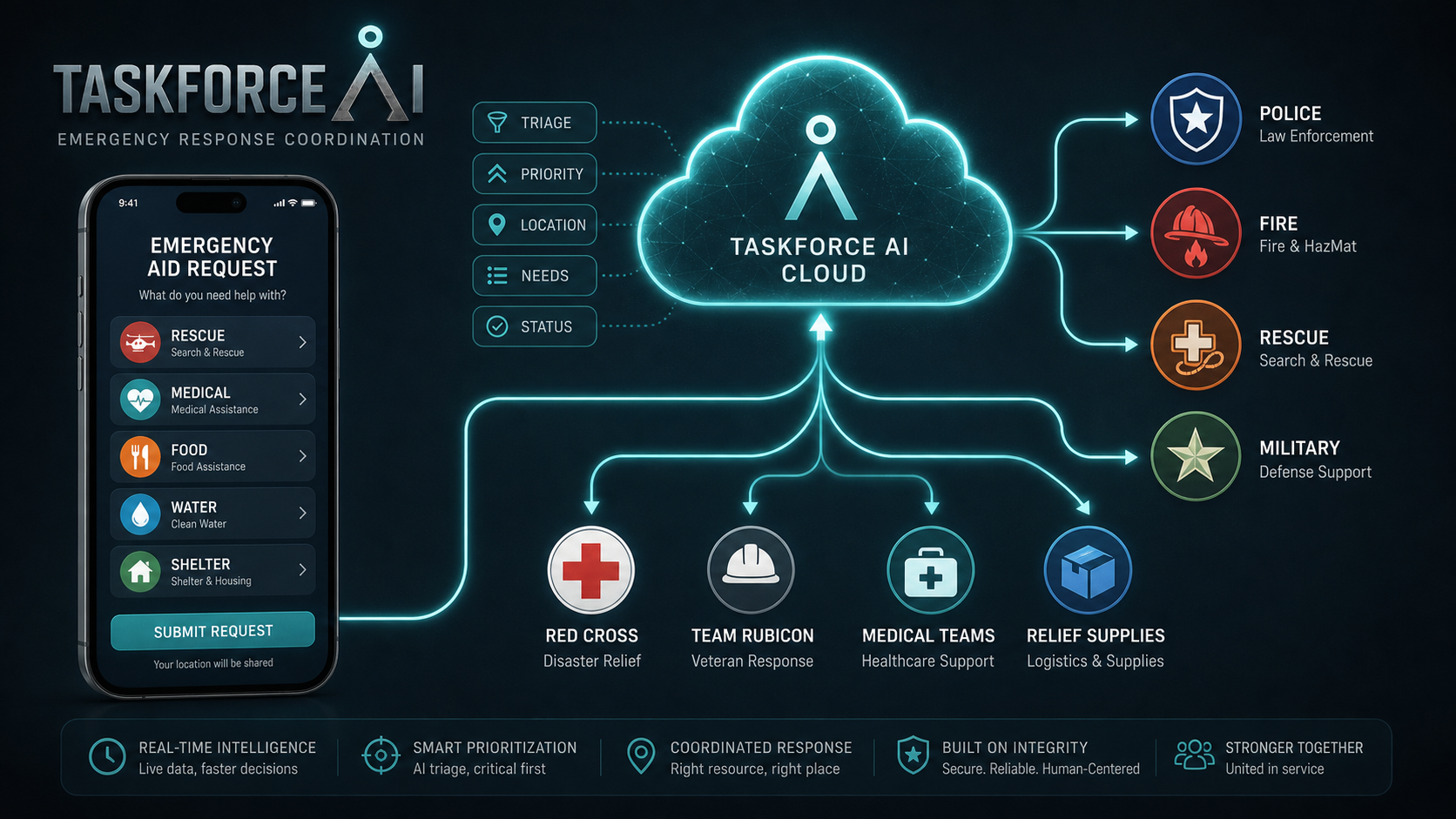
People submit needs by phone, Taskforce AI routes the right information to the right people, and response partners get cleaner information they can act on.
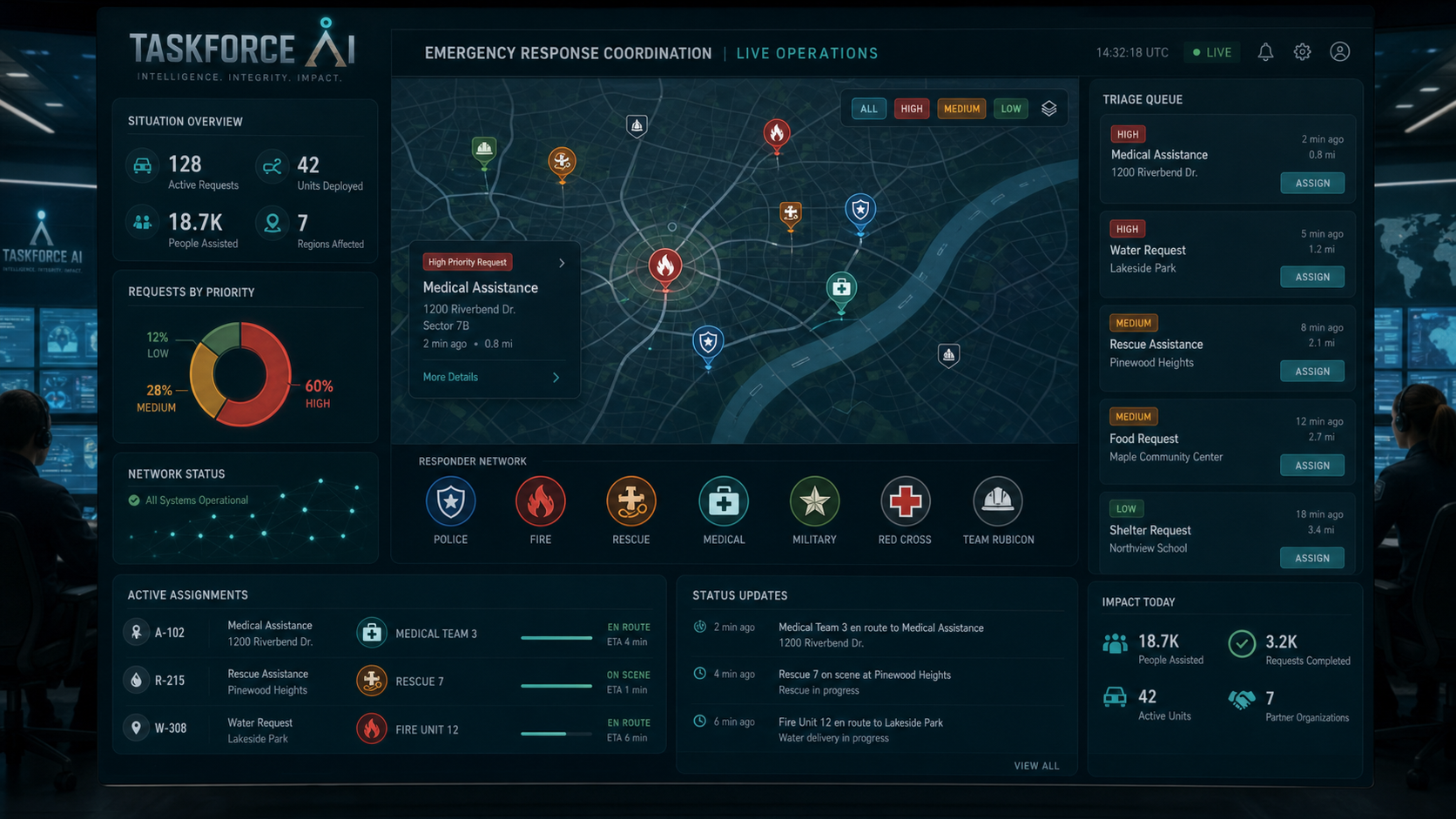
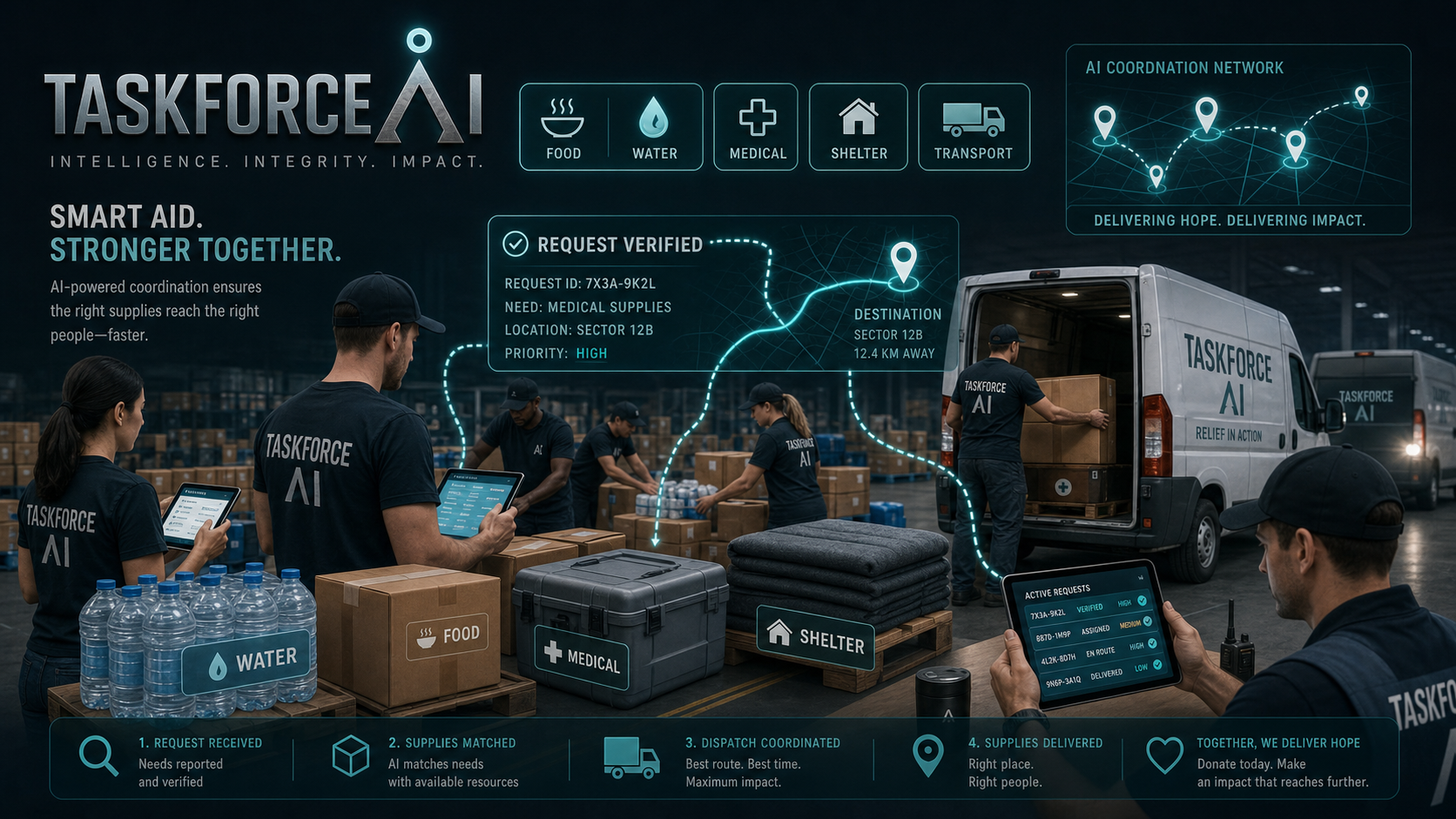
As the earthquake response continues in General Santos, calls and messages are coming in faster than normal channels can sort them. The immediate need is a clear intake path: capture what someone needs, where they are, how urgent it is, and which responder or aid group is most likely to act.
Taskforce AI helps structure those incoming requests so they can move from scattered messages into usable information for departments, agencies, NGOs, and responder groups on the ground.
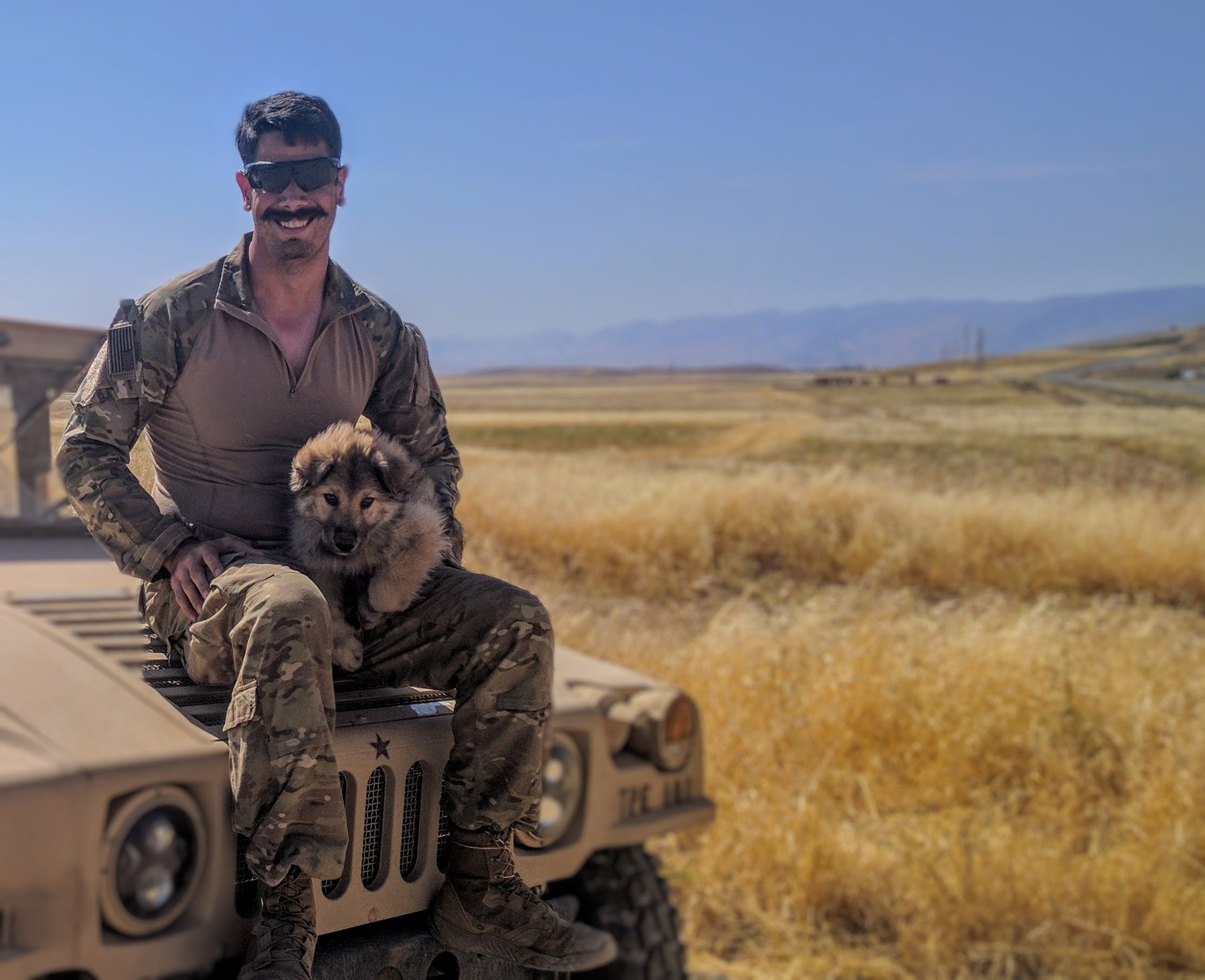
Zealand Hatch is a veteran Combat Medic from the U.S. Army who also worked EMS in the East Bay in California. He knows how much moments count in emergency situations, and how quickly communication problems can slow down help.
In many developing regions, communication can be difficult even before a national disaster. After the General Santos earthquake, friends on the ground called and said they needed a way for people to ask for help outside the congested phone systems.
That is where Zealand’s medical response background and AI infrastructure experience meet. Taskforce AI is built to create and host practical business systems that speed up processes, organize incoming information, and adapt as problems appear in a fast-moving situation.
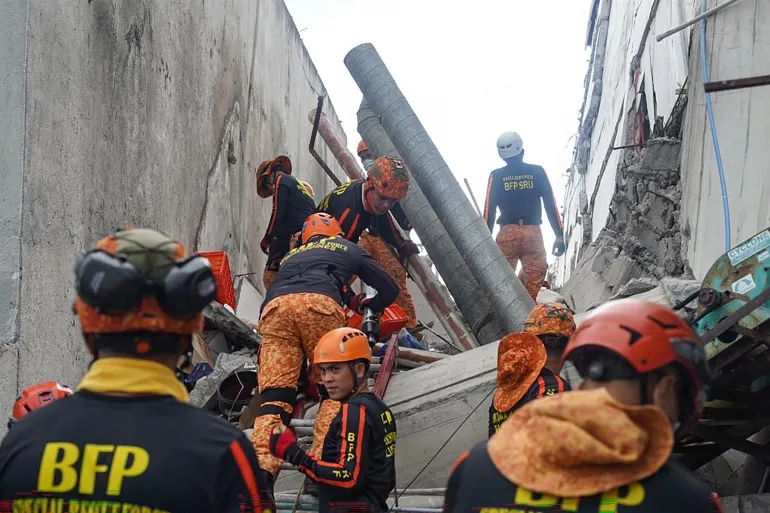
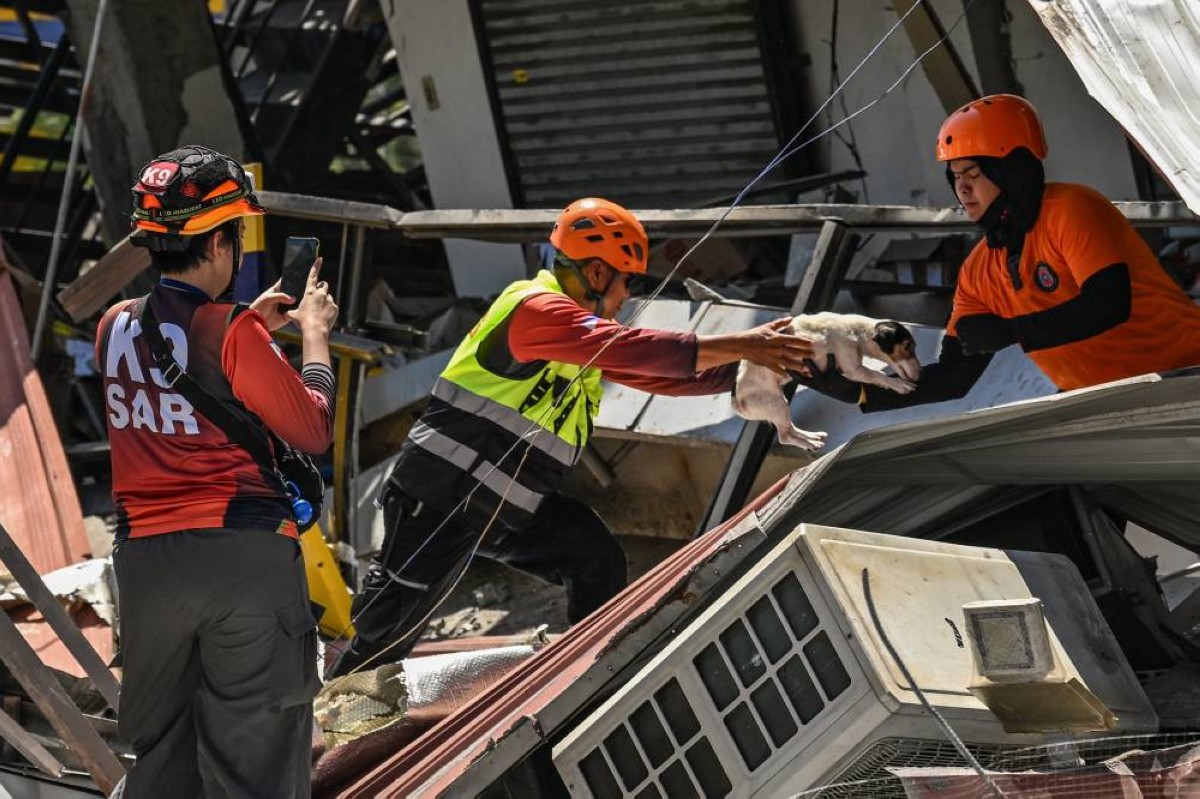
These field images show the type of earthquake damage and emergency response activity that the request system is being support.
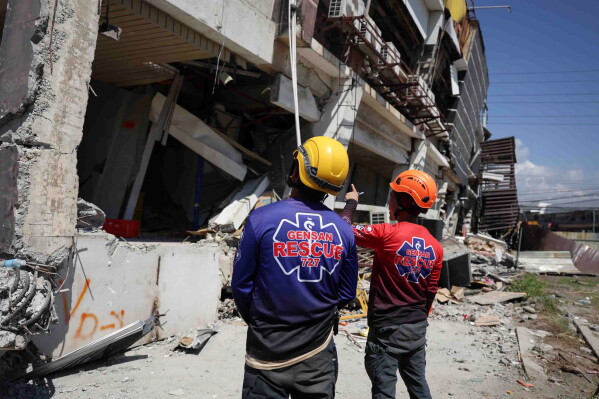
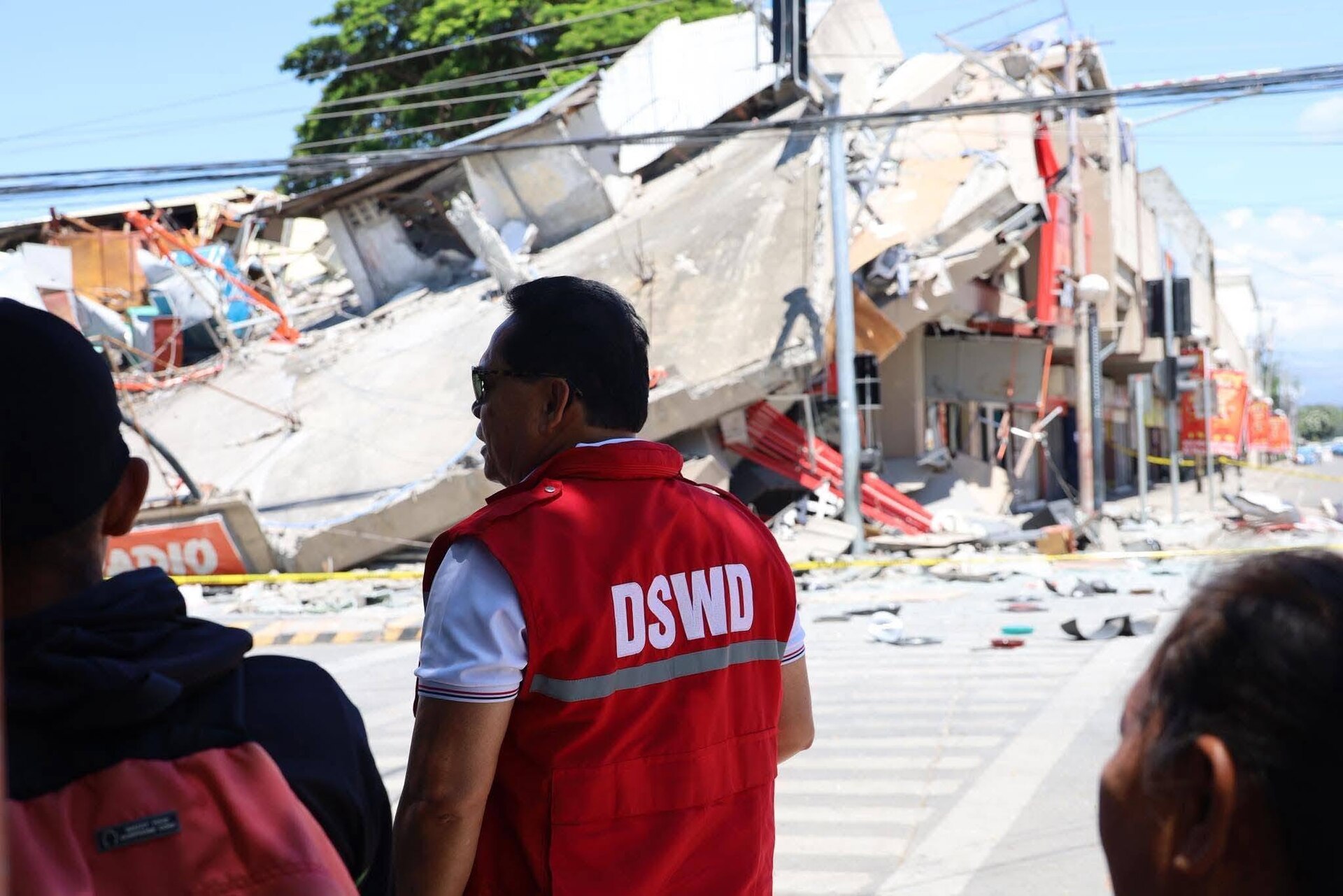
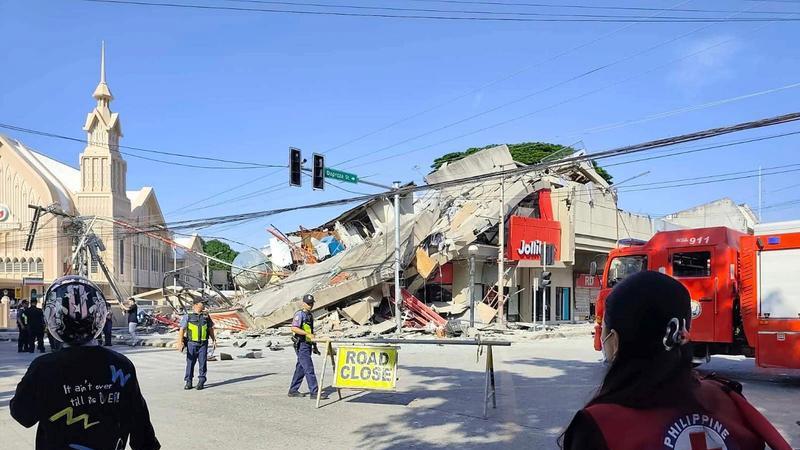
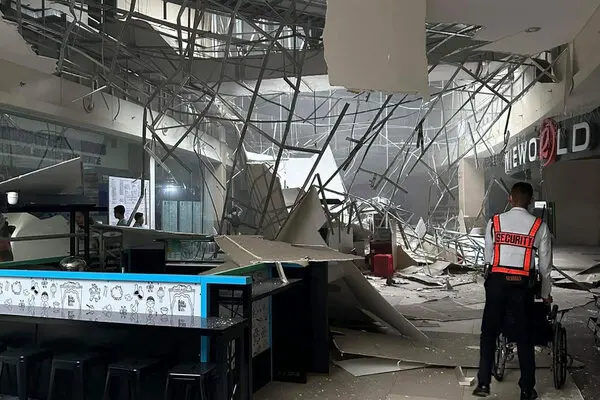
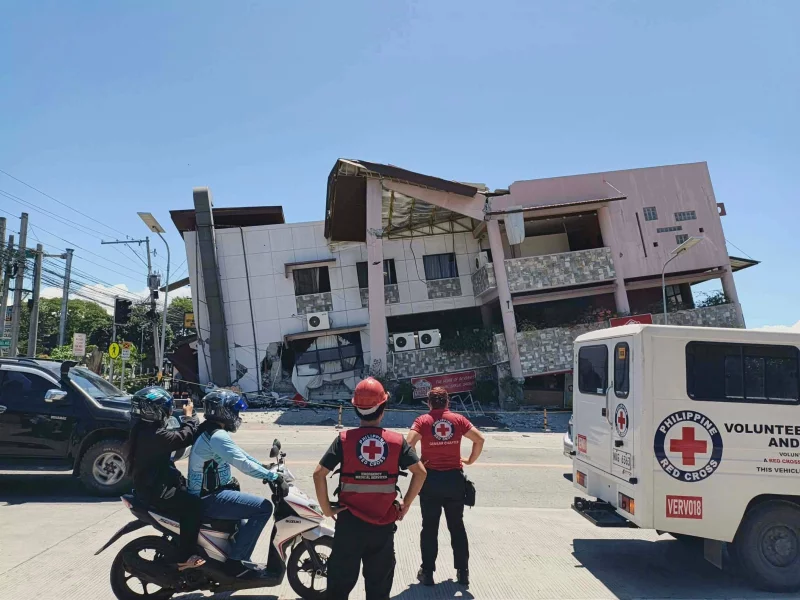
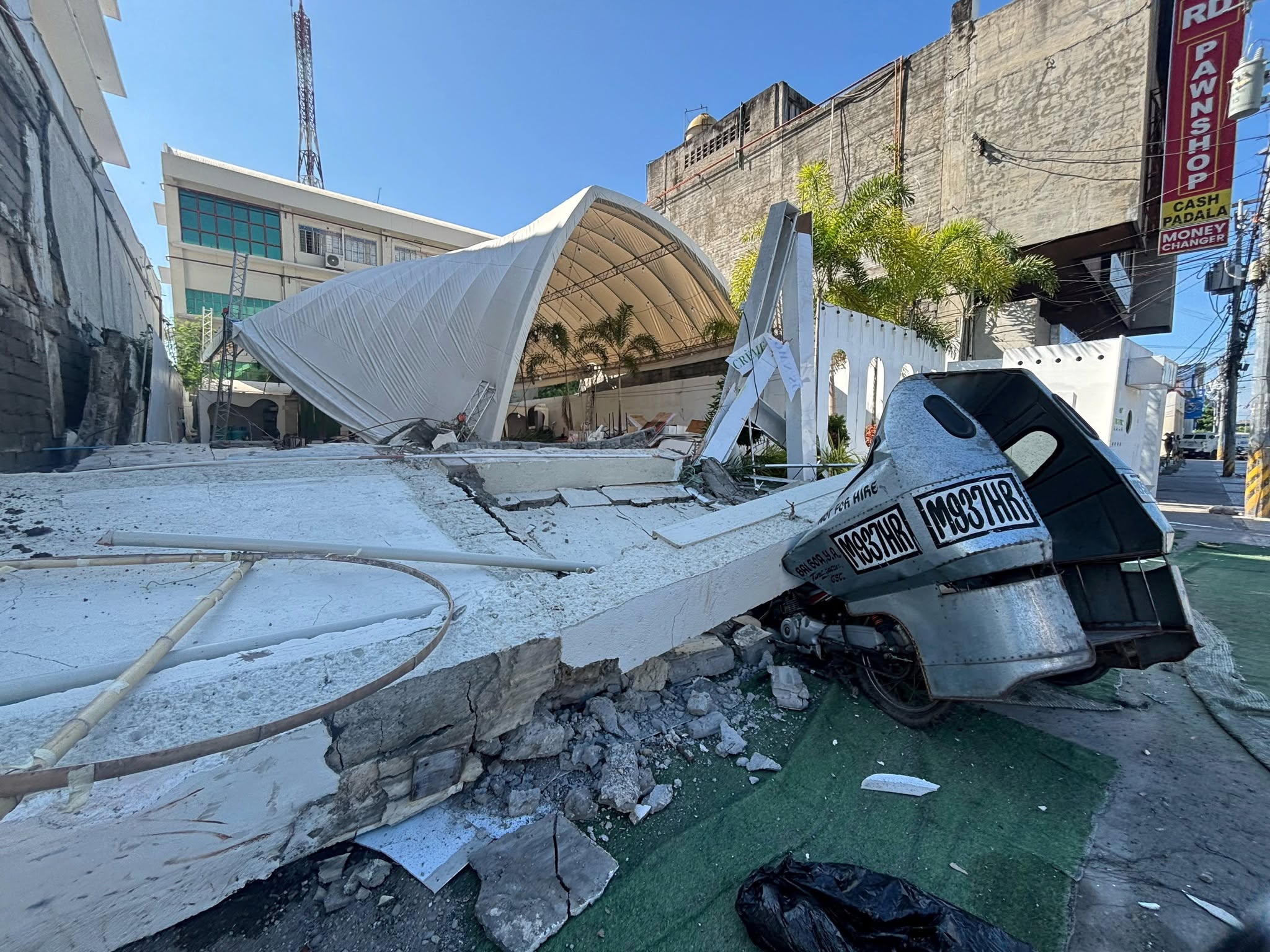
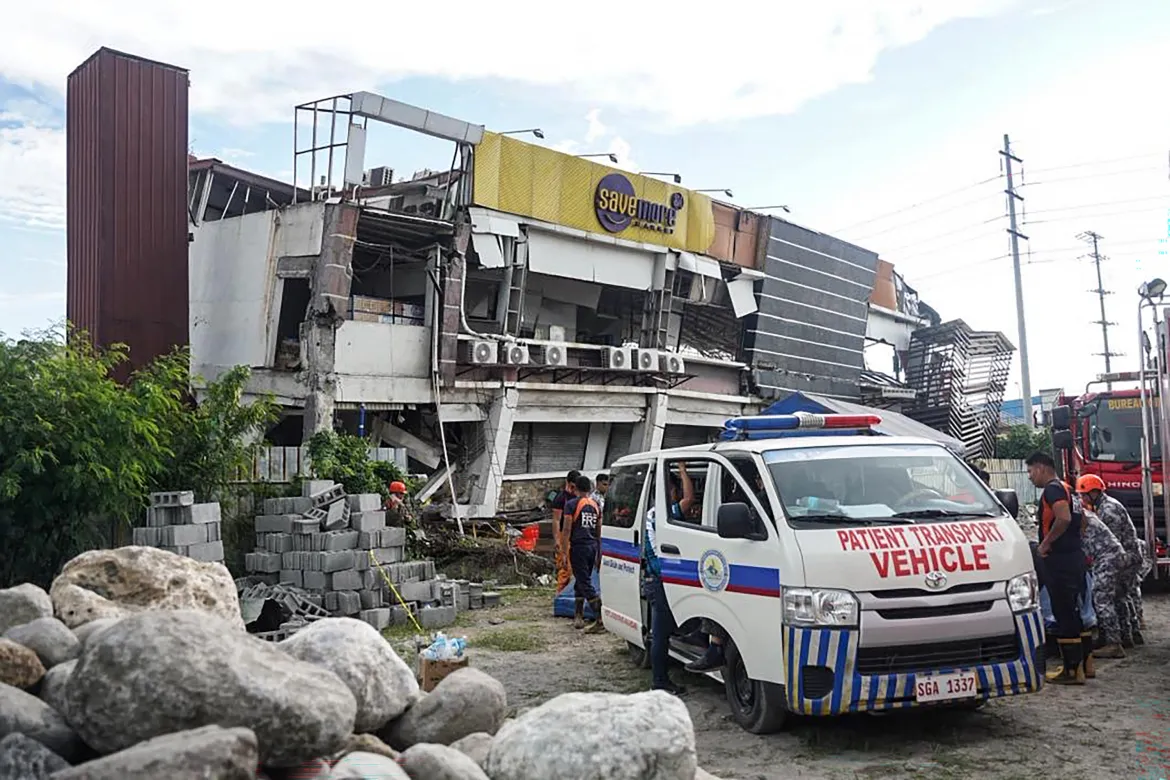
People affected by the earthquake can submit requests for rescue, aid, supplies, medical needs, food, water, shelter, and transportation.
Each request is categorized and directed toward the department, agency, NGO, or responder group best positioned to help.
The system turns messy, incomplete messages into cleaner details that coordinators can use to move supplies, support families, and respond faster.
Support requests for basic essentials from people affected by the earthquake.
Help source first aid materials and practical medical items requested through the app.
Help requests reach the people and organizations positioned to assist with safety, shelter, supplies, transport, and care.
Support people who need safer places to stay after the earthquake.
Help convert incoming requests into clearer information for response coordination.
Keep the emergency request workflow moving as new needs come in.
Your donation helps support real requests for food, water, transport, medical supplies, shelter, and rescue coordination during the General Santos earthquake response.
This response sits at the intersection of Army medic experience and AI systems engineering.
Requests are structured so responders and helpers can understand what someone needs, where they need it, and which group may be best positioned to respond.
Donations help support real aid categories requested through the system: essentials, medical supplies, shelter, transport, and coordination.
Donations help support emergency response needs identified through the request system, including food, water, medical supplies, transport, shelter, supplies, and rescue coordination.
Yes. The donation button opens a secure Stripe payment page where Stripe processes your payment.
Do not assume tax deductibility unless the receiving entity has confirmed nonprofit or fiscal sponsor status. This page avoids tax-deductible claims until that is verified.
AI helps sort and organize incoming information so overwhelmed teams can see clearer request details and route each enquiry toward the right response path.
Taskforce AI helps turn incoming aid requests into clearer, routed information for police, fire, rescue, medical teams, military support, Red Cross, Team Rubicon, and relief supply coordinators.